

In card collecting, a slab is the sealed plastic case a grading company puts a card in after grading it, with a label showing the card, its grade and a certification number. A “slabbed” card is a graded card. A card that has never been graded is a raw card.
We’re not talking about a slab of concrete. Every one of the card grading companies uses a slab to encapsulate and protect whatever it grades: sports cards, Pokémon cards, even comics and magazines at some companies.
The details differ from company to company, but the general shape is the same: a clear, rigid rectangle with the label at the top and the card below it.
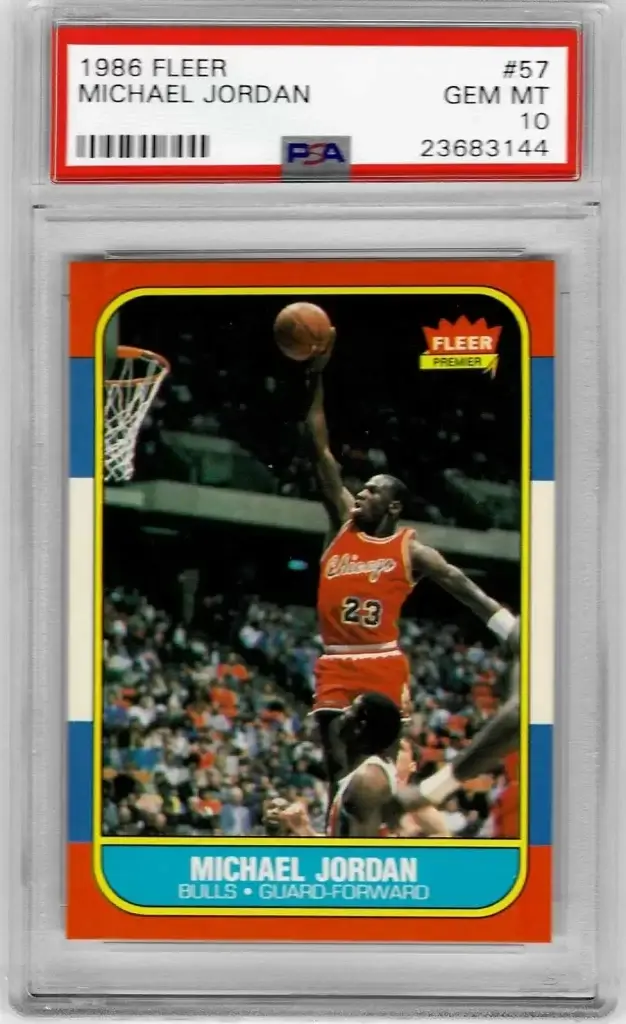
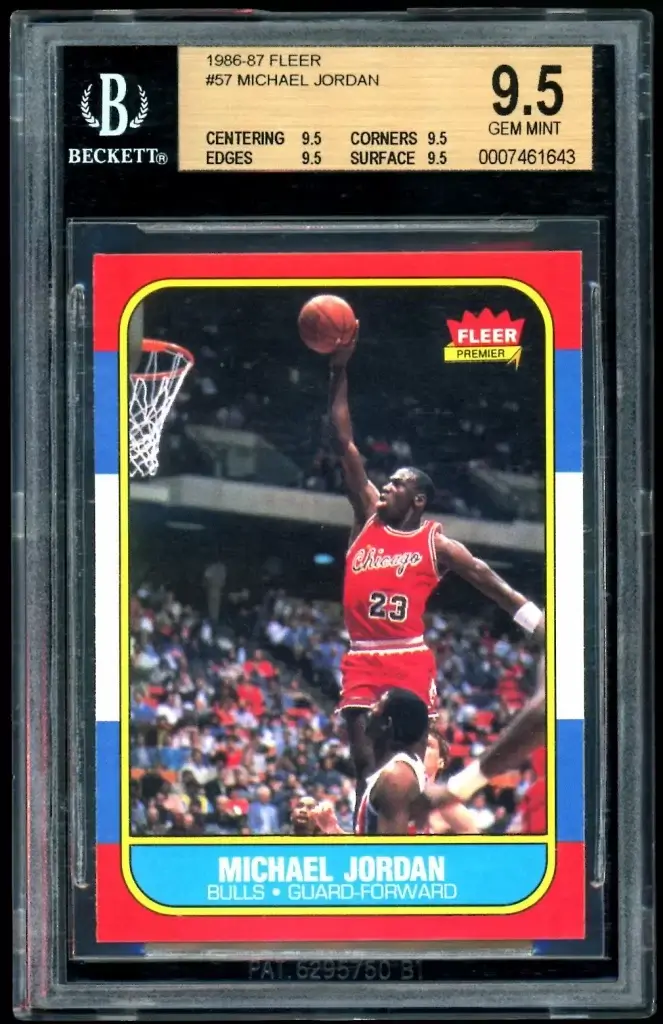
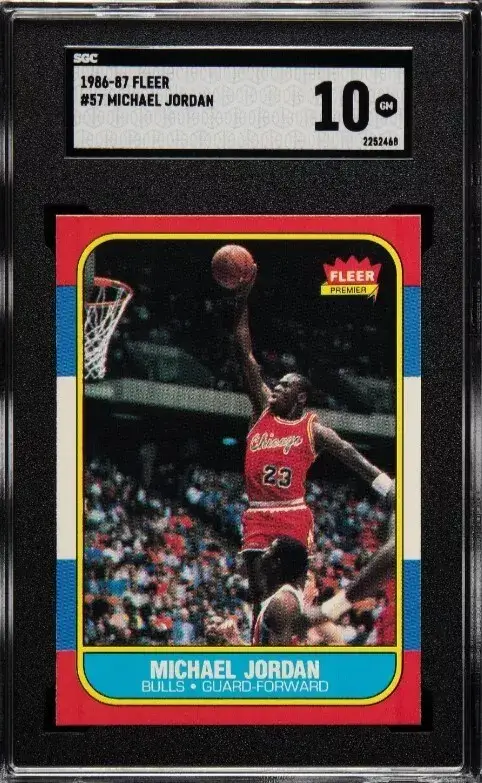
What’s on a slab
On the front label you’ll see information about the card itself: the year, the manufacturer and set, the card number and the player. You’ll also see the grade, as a number and usually in words (a PSA 10 reads “GEM MT 10”), and the certification number for that slab. Below the label is the front of the card.
On the back you’ll see the back of the card and more security features. PSA’s current label style, introduced in 2017, has a QR code on the back that links to the card’s page in PSA’s cert database, plus a hologram on the front that changes as you tilt it.


The case itself is sealed shut. PSA has used a tamper-evident, sonically welded holder since 1991. In 2024 it began rolling out a heavier holder with no inner sleeve for standard-size cards, though older and sleeved holders are still common. Tamper-evident means it can’t be opened without leaving signs: frosting or cracks along the seams, or a case that flexes when it shouldn’t.
Why collectors want cards in slabs
- The grade. The slab locks in an independent opinion of the card’s condition. See the PSA grading scale for what each number means.
- Authenticity. The grader has checked that the card is genuine and not trimmed or altered.
- Protection. A slab is far sturdier than a penny sleeve and toploader.
- Easier selling. Buyers can look up the cert number and compare prices for the same card in the same grade. High grades, especially a PSA 10, often sell for a big premium over raw copies.
Slabbing isn’t free, so it only makes sense when the graded card will be worth more than the card plus the fee. The card grading calculator helps you run those numbers before you send anything in.
PSA, BGS, SGC and CGC slabs
Collectors can often tell the grader from across the room:
- PSA: a white label with a red border. PSA is the biggest grader by far.
- BGS (Beckett): can show four subgrades (centering, corners, edges, surface) on the label. A Pristine 10 with four 10 subgrades gets the famous black label.
- SGC: a black “tuxedo” label, popular with vintage collectors.
- CGC Cards: the No. 2 grader, especially strong in Pokémon. No subgrades.
PSA, SGC and Beckett now share an owner: Collectors, PSA’s parent company, bought SGC in 2024 and Beckett in 2025. They still run as separate brands with their own slabs.
Watch out for fake slabs
Because a slab adds value, people fake them. Empty “PSA-style” cases are sold openly online for custom cards and display, and counterfeiters put fake or low-grade cards in fake or resealed holders. A valid cert lookup isn’t proof on its own, because fakers copy real cert numbers. Before you buy an expensive slab, read our guide on how to spot fake PSA slabs.
FAQ
How much does a PSA slab cost?
You can’t buy an official empty PSA slab. The slab comes with grading. As of September 2026, PSA’s cheapest open tier is Standard at $59.99 per card (for cards worth up to $1,000), and its cheaper Value tiers are paused. See how to submit cards to PSA for the current process.
Will PSA crack a slab?
PSA opens its own holders when you use its reholder service, which moves the card into a new holder, normally with the same grade and cert number. PSA inspects the card again, though, and can lower the grade if it finds a clear error or damage. Collectors also crack slabs themselves, usually to resubmit a card they think deserves a higher grade. Once you crack a slab, the old grade no longer counts and the card is raw again.
Can you slab a card yourself?
You can buy empty slab-style cases and put a card in one for display, but that doesn’t make it graded. There’s no grade, no cert number and no record at a grading company. Selling a self-slabbed card as graded is fraud.
Buying graded cards? Here’s how to spot a fake PSA slab, even one with a real cert number.

